

Infrastructure - overview
The Infrastructure section in WikiWaste maps the facilities that handle waste in the UK — from material recovery and composting to energy from waste and landfill — and links them to other sections including Waste Types, Local Authorities, Organisations and Systems & Operations.
Infrastructure content is structured consistently across the platform: each Infrastructure category(for example Material Recovery Facilities or Incineration EfW) contains a series of Infrastructure types (for example Residual Waste EfW or Food Waste AD), and beneath these sit individual facility pages for specific sites such as Runcorn EfW.
Categories follow Environment Agency classifications and other official sources wherever possible. This helps create comparable routes for understanding facilities, flows and capacity across the UK.
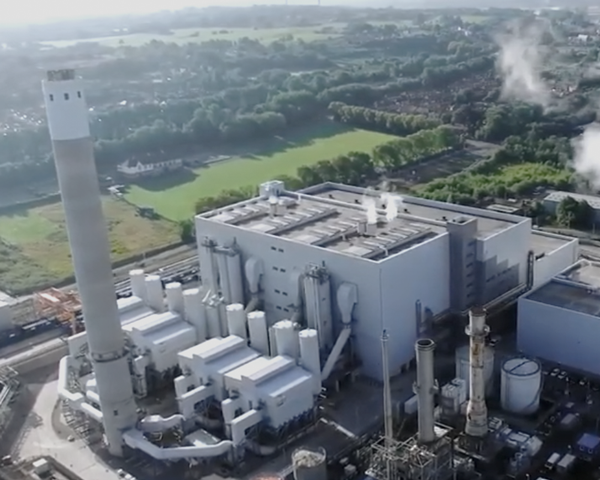
Categories
WikiWaste groups individual facilities into a small number of Infrastructure categories based on broad classifications used by UK regulators and the industry. Each category has its own overview page, Infrastructure types and example facility-level content.
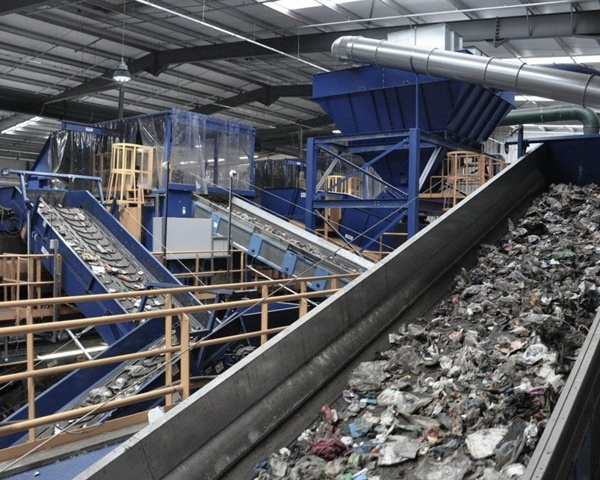
MRF categories cover regulated MRFs (MFs), and facilities focused on specific waste streams such as Construction & Demolition wastes, plastics, glass and WEEE. These sit between collection systems and downstream facilities such as reprocessors, EfW plants or landfill sites.

The Composting category groups facilities that biologically treat suitable organics in the presence of oxygen — primarily green waste and, in some cases, food and other organics — to produce compost outputs for use on land and in landscaping.
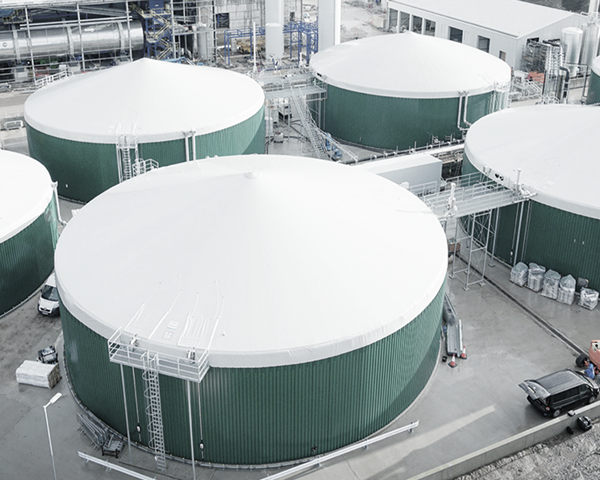
The Anaerobic Digestion (AD) family groups facilities that biologically treat organic wastes in oxygen-free conditions to generate biogas and digestate. It focuses on waste-based AD plants rather than purely agricultural or on-farm systems without a clear waste link.
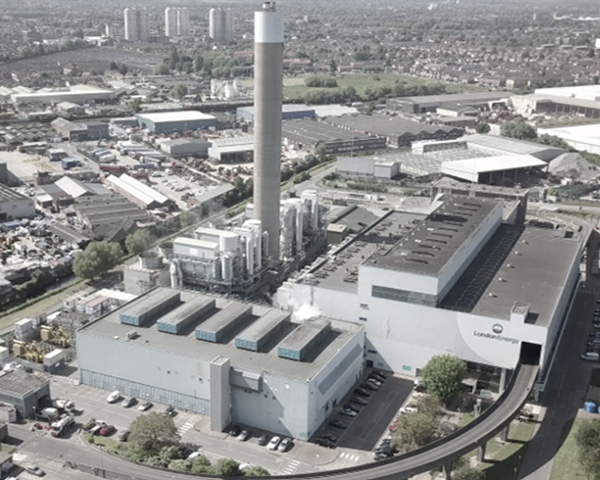
The Incineration & Energy from Waste (EfW) category groups facilities that thermally treat different waste streams and links them to Waste Types, Local Authorities, Organisations and Market Drivers and Approaches. Incinerators can be described by the origin of the waste, the nature of the waste and/or the method of incineration.
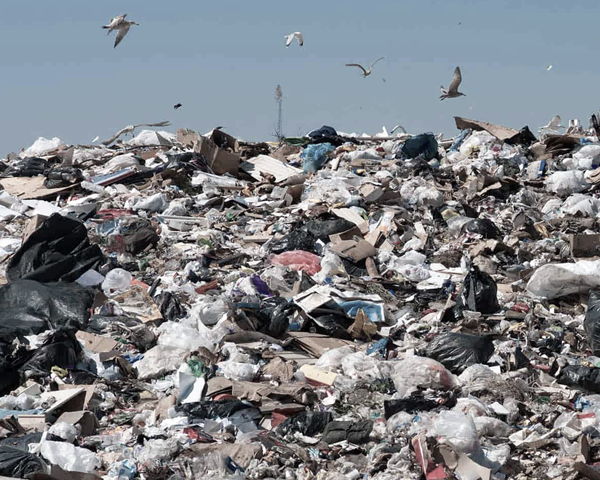
The Landfill category groups facilities that permanently dispose of waste onto and into land into three main types: inert, non-hazardous (with and without SNRHW cells) and hazardous landfill sites – with the site selection, engineering, operation, restoration and long term aftercare reflecting the nature of the waste being landfilled.
The Other Treatment Category captures all other technology approaches, but which are not presently listed in the Infrastructure categories. Whilst there are sites in the UK using technologies such as Mechanical Biological Treatment (MBT & BMT) these are not presently listed as a separate category in WikiWaste.
Purpose
Categories and types follow Environment Agency classifications and other official sources wherever possible. This helps create comparable routes for understanding facilities, flows and capacity across the UK. Each category has its own overview page, Infrastructure types and example facility-level content. Facility pages indicate the level of detail available, including referenced sources, coverage and last updated dates for key metrics.
Connections
The Infrastructure section brings together the core facility types that sit behind UK waste services – the sites that ultimately receive, sort, treat, recover energy from or dispose of different waste streams. Rather than treating facilities in isolation, WikiWaste connects each Infrastructure type to local authority collection and disposal arrangements, waste types, organisations, key metrics and trends.
Other overview sections:
Infrastructure is designed to be read alongside the rest of the WikiWaste platform, not as a stand-alone map of facilities. Each category connects directly to:
Enabling users to move from a named waste stream into the facilities that handle it.
Linking facilities to operators, public bodies, regulators and industry organisations.
Including the key legislative and economic arrangements for each category of infrastructure.
Including a page for each authority and the infrastructure used for thier main tonnage.
References:
None.