
Green Waste
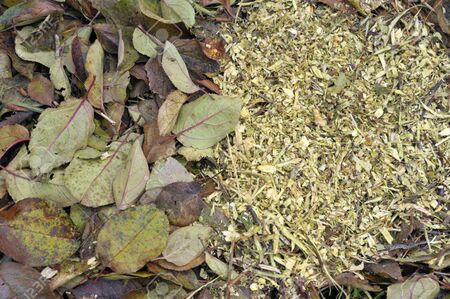
Green Waste, also termed Garden Waste, is biological Organic Waste that originates from a garden or from a similar origin such as from horticultural activities or parks etc. DEFRA[1] figures are reported as 'Vegetable Waste' with over 70% being Green Waste from Households with 3.5 million tonnes from England alone in 2020.
Local Authority data[2] for England suggests this figure was 3.6 million tonnes in 2022/23 and this represented 38% of recycling perfromance (this did, however, inlcude some food waste collected with the Green Waste).
Vegetable Waste Arisings by Economic Classification (UK 2020)
Vegetable Waste Arisings
- 5,797.13 thousand tonnes (UK 2020 per above)
- 4,363.63 thousand tonnes (England 2020)
- 75.3% of tonnage was from England
Data source: [1]
Vegetable Waste Arisings (Waste Category and Economic Classification)
Commercial and Industrial* | UK 2020 | England 2020 | England 2022 |
|---|---|---|---|
Manufacturing | 1,367.94 | 849.87 | 866.92 |
Water Treatment | 0.06 | 0 | 0 |
Services | 257.72 | 96.57 | 108.54 |
Total | 1,625.72 | 946.44 | 975.46 |
% Total and % England | 28.0% | 21.7% |
Municipal Solid Waste* | UK 2020 | England 2020 | England 2022 |
|---|---|---|---|
Services | 257.72 | 96.57 | 108.54 |
Household | 4,078.48 | 3,417.19 | 3,125.23 |
Total | 4,336.20 | 3,513.76 | 3,233.77 |
% Total and % England | 74.8% | 80.5% |
All figures in thousand tonnes. Data source: [1] * See data limitations.
Types of Green Waste
- Grass cuttings
- Leaves
- Hedge trimmings
- Prunings
- Flowers
- Branches
- Weeds plants etc
Simpler Recycling Categories
- ash
- full-sized trees
- invasive weeds and species
- soil
- turf cuttings
- waste products of animal origin
Collection
Green Waste is collected as part of a Local Authority Collection Service and as part of a HWRC site as a drop-off facility for the public.
It can be collected in a variety of ways, sometimes collected co-mingled with Food Waste (termed 'Food Comingled' and 'Green Comingled' in WasteDataFlow) and is either collected weekly or fortnightly depending on the service offered by the Locla Authority.
Collections may be free for the householder (termed 'Green not Charged' in WasteDataflow) but increasingly a charge is being made to the householder (termed 'Green Charged' in WasteDataflow).
Treatment
Green Waste is generally processed via Composting - either Windrow Composting for separately collected green waste, or In-vessel Composting for green waste mixed with Food Waste (although some Anaerobic Digestion systems can process similar mixed materials).
If Food Waste is collected with Green Waste, and the Food Waste is classified as Animal By-product Material, then the treatment approach must comply with the associated legislation for this material.