

Waste Types - overview
The Waste Types section in WikiWaste groups wastes into a number of key categories, at a headline level, broken down by economic activity. It includes high-level waste tonnage arisings data and trends analysis from various data sources.
The management of waste falling within these groups however is provided in more detail within the Infrastructure section including within the individual facility pages.
Each waste material type has its own individual page providing a wider picture of waste tonnages being produced and managed in the UK. In addition, wastes at a facility level, reported by EWC code, can be tracked on a ‘bottom up’ basis into the top level figures.
For certain waste type categories other commonly used names for grades of recyclate are captured (e.g. specific grades of recycled paper).
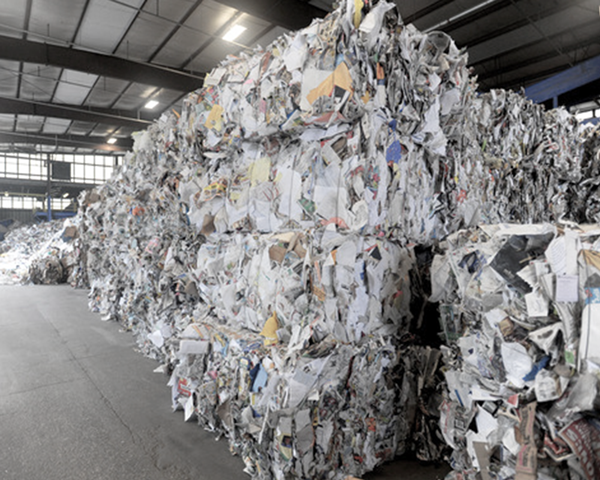
Categories - Waste Arisings
WikiWaste groups into six categories based on waste arisings across the UK. The category ‘Dry Recyclables’ is an aggregation to reflect general reporting of these tonnage (in the pie chart and table below it includes c.237 thousand tonnes of rubber/tyre wastes).
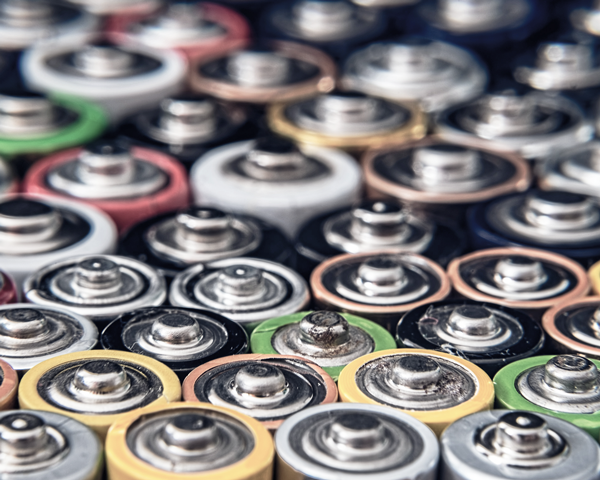
In 2020 around 1.2million tonnes of Batteries, 1.8million tonnes of End of Life Vehicles (also termed ELV) and 0.6million tonnes of Waste Electrical and Electronic Equipment (also termed WEEE and discarded equipment) were generated within the UK. These materials are generally managed in either specialist facilities (for example fridge processing plants) or appropriate scrap metal recovery processing facilities.

Chemical Wastes generated include spent solvents, acid and alkaline waste and industrial effluents. Of this tonnage around 1.4 million tonnes was generated by manufacturing businesses and 0.3 million tonnes by serviced-based businesses.
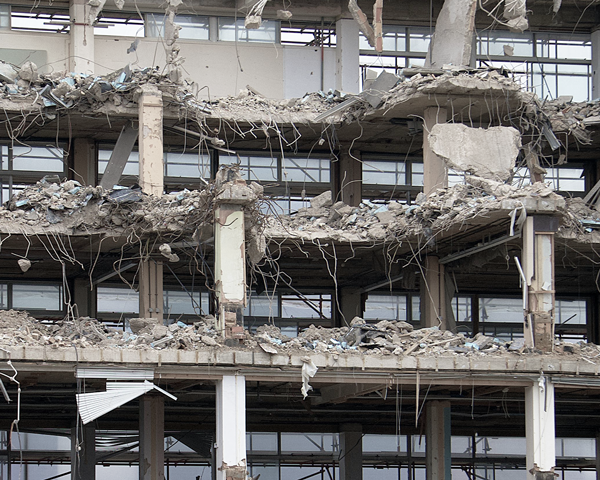
CD&E Wastes generated in 2020 represented 64% of the total waste reported. Of this around 56.8 million tonnes were Construction and Demolition Waste (C&D Waste) and 53.1 million tonnes were Soils (89% of the tonnage reported). The construction sector accounted for 98% of the CD&E category.
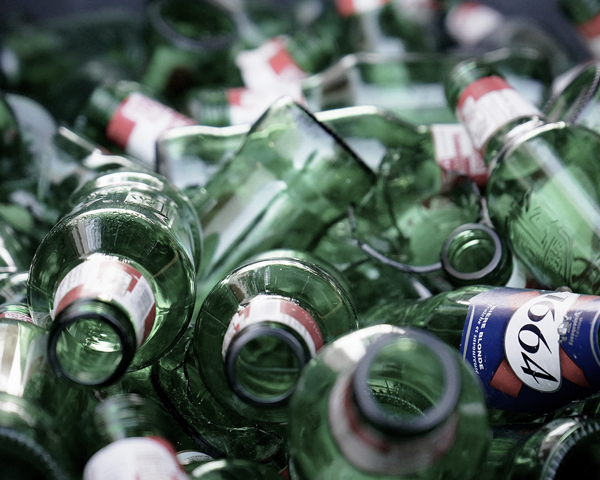
In 2020 22 million tonnes of Dry Recyclables were generated, each separately reported in WikiWaste, comprising Paper & Cardboard (7.7mt), Metals (6.6mt), Plastic (1.8mt), Glass (2.4mt) , Wood (3.3mt) and Textiles wastes (0.2mt). Service-based businesses accounted for around 10.0mt, household 6.4mt, and manufacturing businesses at 2.8mt.

The tonnage of Healthcare Waste generated, whilst relatively small, is complex and requires specialist management. It includes Clinical and Offensive Waste, although some of this tonnage is reported as Chemical Wastes (for example cytotoxic and cytostatic medicines).
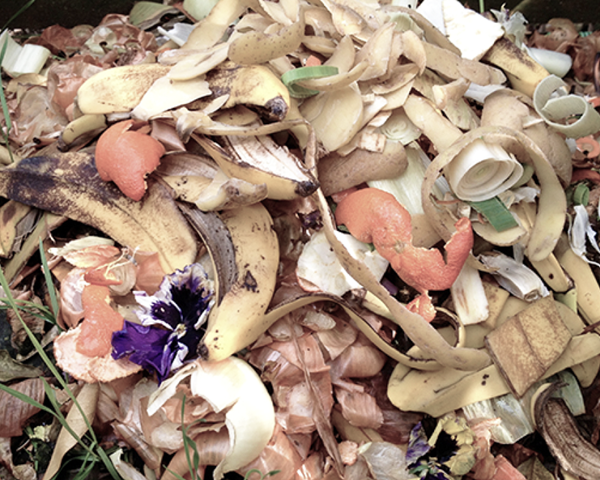
Organic Waste comprises animal and mixed food wastes (3.8mt), vegetable wastes (5.8mt) including garden/green waste from households and sludges from waste water treatment(1.3mt).
UK Waste Arisings by Waste Category (2020)
Total UK Waste Arisings 191.21 million tonnes (2020). Data souce: [1]
Waste Arisings by Economic Classification
Economic Classification | UK 2020 | England 2020 | England 2022 |
|---|---|---|---|
Agricultural | 0.61 | 0.28 | 0.28 |
Mining & Quarrying | 6.86 | 4.60 | 4.90 |
Manufacturing | 11.11 | 8.44 | 8.52 |
Water Treatment | 1.05 | 0.82 | 0.83 |
Services | 27.11 | 23.49 | 23.23 |
Households | 27.01 | 22.59 | 21.47 |
Construction | 117.45 | 102.57 | 132.15 |
Total Arisings | 191.21 | 162.79 | 191.37 |
England as % of UK | 85.1% |
All figures in million tonnes. Data souce: [1]
Waste Arisings Trend (England) by Economic Classification
Notes
- England represents c. 85% of UK Waste Arisings
- England trend is shown as the data runs to 2022, whereas UK data only runs to 2020 at the current time
- Construction, Demolition and Excavation Wastes (CDE Wastes) are excluded from the graph to give better visibility of other trends
- Data souce: [1]
Categories - Residual Waste
There are three categories of Residual Waste which are expanded upon further in the relevant WikiWaste page(s).
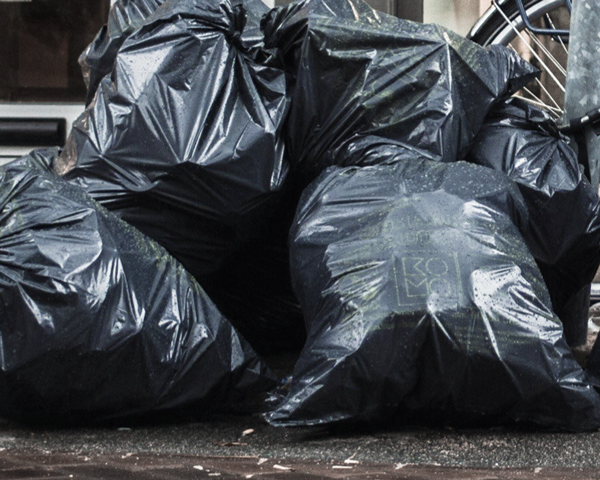
Household and similar wastes that have had recycling and recovery undertaken at source to leave 'Black Bag' waste.
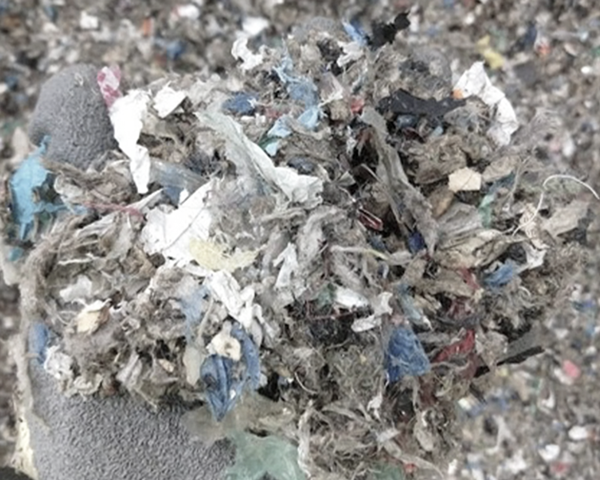
Wastes that have been processed into a fuel for energy recovery can be to different specifications according to the desired use.
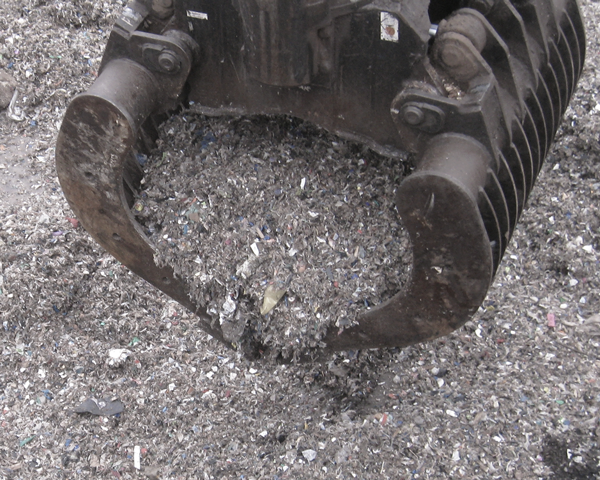
Waste sorting and processing often produces a residue with a small particle size commonly termed ‘fines’.
Categories - Target Related
The Waste Statistics also report the following waste categories, which are used primarily in the context of targets and policy in the UK and are captured as specific pages in WikiWaste:
Waste from Households
Used especially in conjunction with recycling levels.
Municipal Waste
Household and similar waste (mainly service sector based).
Biological Municipal Waste
Has been mainly used with targets for reduction to landfill.
Packaging Waste
Used mainly for recycling targets set by material type.
C&I Waste
Commercial (mainly service sector) and Industrial (mainly manufacturing) Waste.
C&D Waste
Construction and Demolition Waste excludes excavation wastes and used to measure recovery rates.
Other overview sections:
Waste Types is designed to be read alongside the rest of the WikiWaste platform, not as a stand-alone map of facilities. Each category connects directly to:
Brings together the core facility types that sit behind UK waste services.
Linking facilities to operators, public bodies, regulators and industry organisations.
Including the key legislative and economic arrangements for each category of infrastructure.
Including a page for each authority and the infrastructure used for thier main tonnage.