

Sludge Wastes
Sludge Waste includes those sludges from treatment of urban waste, on-site effluent treatment, water clarification, septic tanks and sewage cleaning. It does not include sewage from households, and does not include sludges and slurries from agriculture.
The DEFRA data[1] reported 1.3 million tonnes arising in 2020, 74% from the water collection and treatment sector, 15% from the service sector and 10% from the manufacturing sector .
Around 120 thousand tonnes of animal faeces and manures, primarily from the agricultural sector are not included in the groupings above.
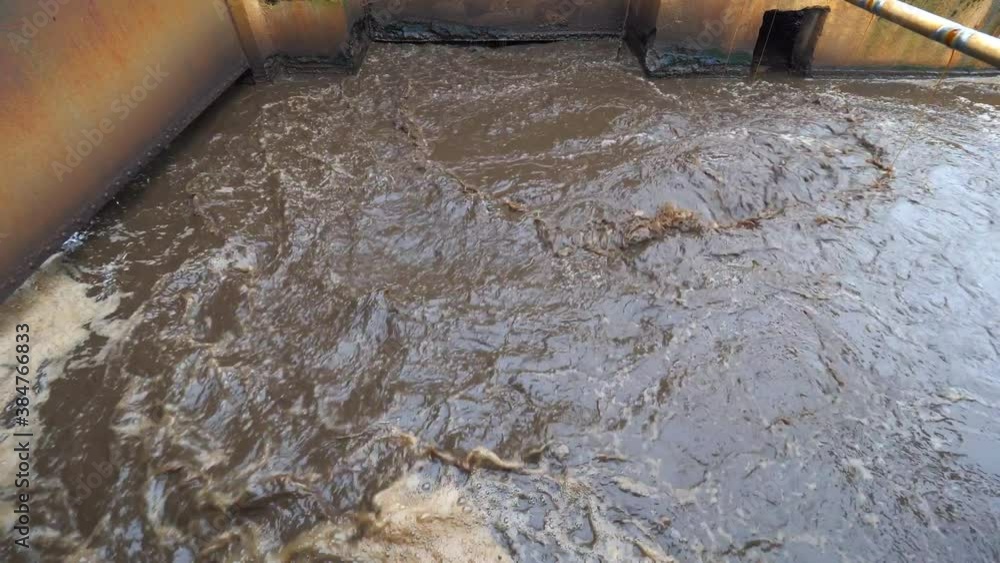
Common Sludges Waste Arisings by Economic Classification (UK 2020)
Common Sludge Waste Arisings
- 1,343.35 thousand tonnes (UK 2020 per above)
- 1,093.40 thousand tonnes (England 2020)
- 81.4% of tonnage was from England
Data source: [1]
Common Sludges Waste Arisings (Waste Category and Economic Classification)
Commercial and Industrial* | UK 2020 | England 2020 | England 2022 |
|---|---|---|---|
Manufacturing | 135.23 | 85.65 | 101.08 |
Water Treatment | 994.83 | 807.88 | 811.69 |
Services | 204.54 | 199.87 | 217.72 |
Total | 1,334.60 | 1,093.40 | 1,130.50 |
% Total and % England | 99.3% | 100.0% |
Municipal Solid Waste* | UK 2020 | England 2020 | England 2022 |
|---|---|---|---|
Services | 204.54 | 199.87 | 217.72 |
Household | 0 | 0 | 0 |
Total | 204.54 | 199.87 | 217.72 |
% Total and % England | 15.2% | 19.3% |
All figures in thousand tonnes. Data source: [1] * See data limitations.