

Dry Recyclables
22 million tonnes of Dry Recyclables were reported as generated in the most recent DEFRA data[1], comprising paper & cardboard, metals, plastic, glass, wood and textiles. For each of these materials (with the exception of textiles) there are presently packaging waste recycling targets, PRN and pEPR arrangements associated with a proportion of these tonnages.
The macro tonnages reported by DEFRA not only lag other data, they include a large proportion of mixed materials that can include other waste types. In addition, many dry recyclables are managed via sites that are currently exempt from permitting whose tonnage is not presently reported. As a result, tonnages reported by DEFRA are often lower than the total material put on the market (POM) that might be targeted for recovery and recycling.
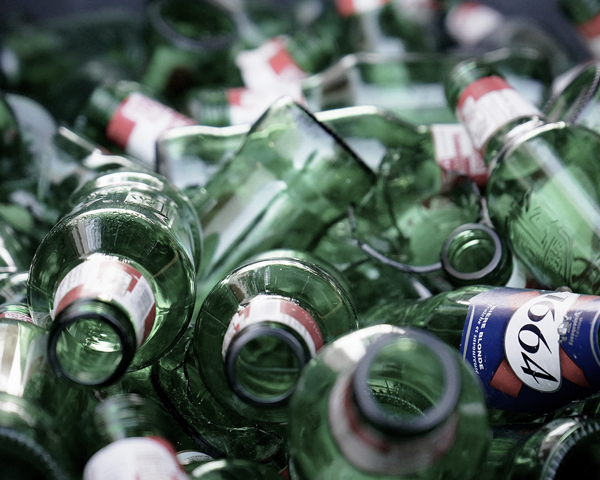
Types within Dry Recyclables
The Dry Recyclables types section brings together the main materials reported in the EWC-STAT codes in the most recent macro data reported by DEFRA[1], that are also captured as packaging wastes (plus the category of textiles). Other references for material tonnages and recycling levels, plus the different grades of each material type that are sorted and sold, are captured at a page-specific level.
Paper & Card
Paper & Card wastes include any one single grade or a mixture of the following: Paper, card, board, board/plastic composites and other paper composite products. The macro paper & card tonnage reported by DEFRA as generated by the UK was 7.7 million tonnes.
Metal
The term Metal can capture a wide range of different grades of ferrous, non-ferrous and mixed metals within the waste and resources sector. The macro metals tonnage reported by DEFRA as generated by the UK was 6.6 million tonnes.
Plastic
Plastics can capture a number of different grades and/or polymer types that are reported differently by different data sets in the UK. The macro plastic tonnage reported by DEFRA as generated by the UK was 1.8 million tonnes, although around 5 million is estimated as put on the market.
Glass
The macro glass tonnage reported by DEFRA as generated by the UK was 2.4 million tonnes, although 2.6 million tonnes are reported separately as packaging waste as put on the market.
Wood
The macro waste wood tonnage reported by DEFRA as generated by the UK was 3.3 million tonnes, although 4.5 million tonnes are reported as the total amount of waste wood produced in the market by the Wood Recycling Association.
Textiles
The macro textiles tonnage reported by DEFRA as generated by the UK was 0.2 million tonnes, although 0.7 million tonnes are reported as the total amount of waste textiles produced in the market by WRAP.
UK Dry Recyclables Waste Arisings by Waste Category (2020)
Total UK Dry Recyclables Waste Arisings 21,934.67 thousand tonnes (2020). Data source: [1]
Dry Recyclables Waste Arisings by Economic Classification
Economic Classification | UK 2020 | England 2020 | England 2022 |
|---|---|---|---|
Agricultural | 159.28 | 92.87 | 92.96 |
Mining & Quarrying | 65.82 | 33.53 | 2.33 |
Manufacturing | 2,757.59 | 1,973.31 | 2,037.86 |
Water Treatment | 14.03 | 4.57 | 4.28 |
Services | 9,782.46 | 8,764.59 | 8,892.60 |
Households | 6,372.68 | 5,689.99 | 5,371.85 |
Construction | 2,782.80 | 2,297.72 | 2,329.58 |
Total Arisings | 21,934.67 | 18,856.58 | 18,731.46 |
England as % of UK | 86.0% |
All figures in thousand tonnes. Data source: [1]. Local Authority data[2] for England for 2022/23 showed a drop from households to 5,198 thousand tonnes.
Purpose
This category brings together those materials that are the focus of recycling and packaging targets that are mainly ‘dry’ in nature. Where relevant, they show the relationships to other waste category targets (for example the proportion that is reported as Waste from Households)
Approach
This category excludes other waste types that might be treated, recovered or recycled that are separately listed in WikiWaste (for example organic waste which is generally considered to be mainly ‘wet’ in nature).