

Polyvinyl Chloride (3)
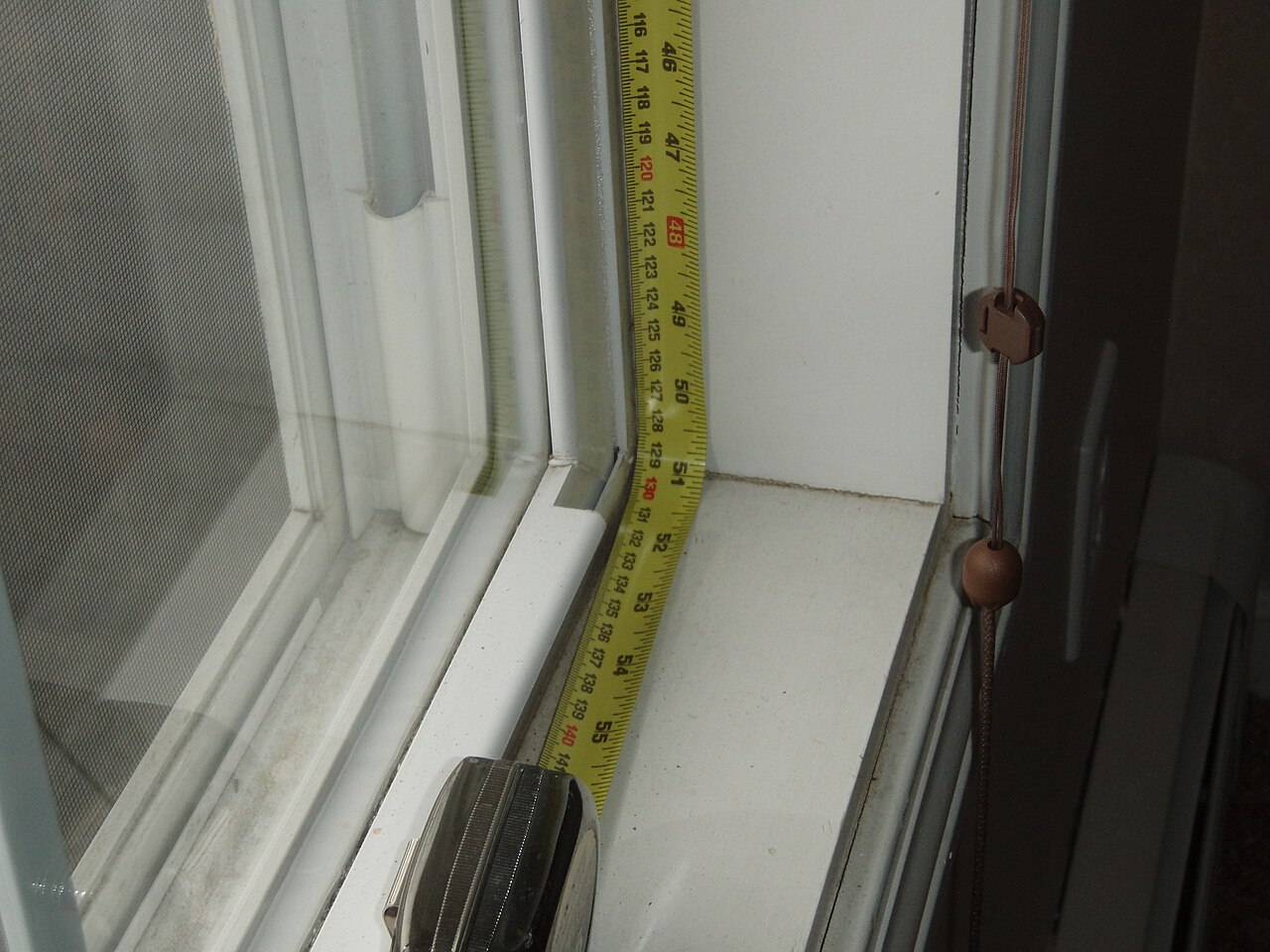
PVC (Polyvinyl Chloride) is a plastic often used in window frames and is captured as PVC (3) in WikiWaste.
Polyvinyl Chloride (PVC (3)) is one of the most widely used polymers in the world. Due to its versatile nature, strength and toughness, PVC (3) is used extensively across a broad range of industrial, technical and everyday applications including widespread use in building, transport, packaging, electrical/electronic and healthcare applications[1].

Applications
PVC is a very durable and long lasting material which can be used in a variety of applications (either rigid or flexible), including window frames, drainage pipes, water service pipes, medical devices, blood storage bags, cable and wire insulation, flooring, stationary, automotive interiors and seat coverings, fashion and footwear, packaging, cling film, credit cards, vinyl records, synthetic leather and coated fabrics[1].
It can also be used for stretch wrap for non-food items, sometimes blister packaging.
Non-packaging uses include electrical cable insulation, uPVC window frames and doors, rigid piping and vinyl records.
The first patent for a polymerisation process to manufacture PVC was granted to German inventor Friedrich Klatte in 1913 and PVC has been in commercial production since 1933. The material now accounts for about 20% of all plastic manufactured world-wide, second only to polyethlene (PET (1))[1].
PVC (3) is not recyclable in normal kerbside collection systems, although it is recycled more widely.
Double Glazed Units
Vinyl Gloves
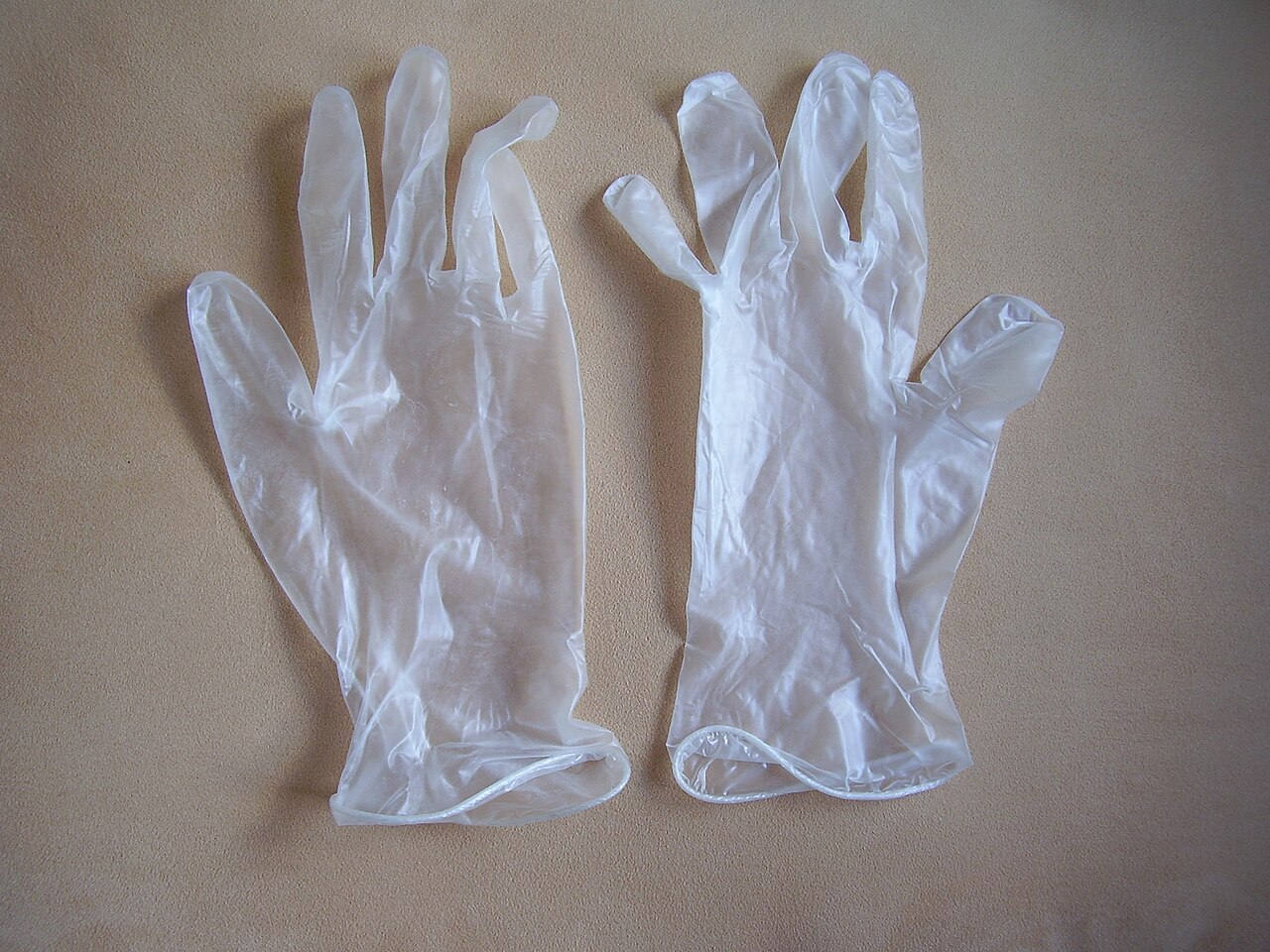
Table Mats

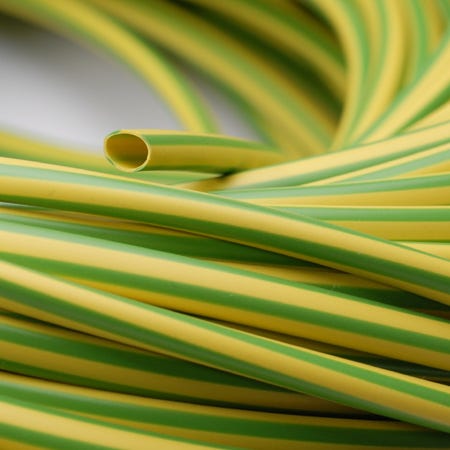
10mm PVC Cable Sleeving
Local Authority Waste
The Top 10 Authorities removing Paper & Card. Paper & Card includes the following sub groups of material: Paper, Card, Mixed Paper & Card and Books